
Business
Top Basketball Scouting Technologies in 2025: AI, Analytics & Smart Data
Discover the top basketball scouting technologies in 2025. Learn how AI, data analytics, and smart tools are transforming how teams evaluate talent and build winning

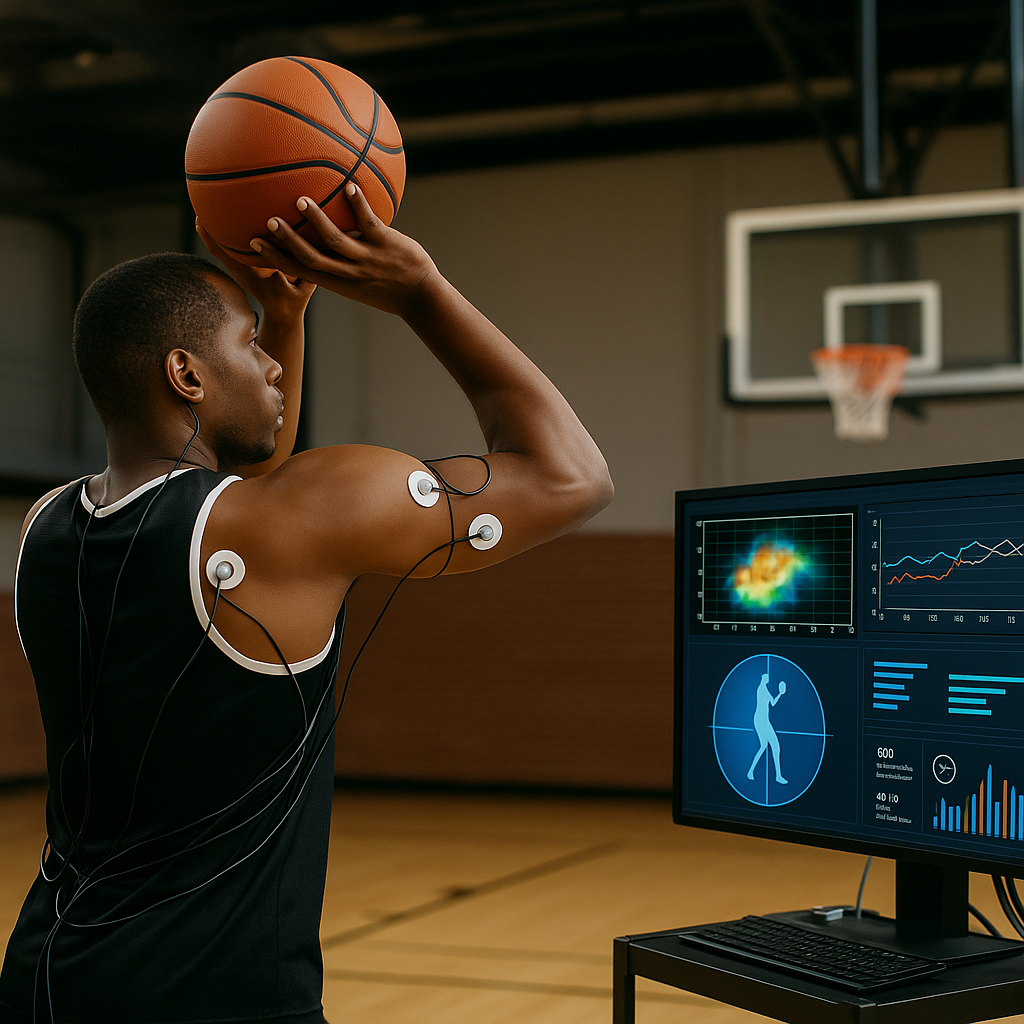
Why coaches are squinting at heatmaps instead of just watching the damn game
Back in the day, scouting a player meant a crusty assistant coach with a clipboard muttering something about “high motor” and “intangibles.” Fast forward to now and you’ve got a tablet in one hand, real-time player tracking in the other, and an AI model whispering which high school sophomore has the wingspan of a young Giannis.
Welcome to scouting in 2025, where gut feelings still exist but they’re buried under a pile of shot charts and machine learning predictions. This technology is found everywhere. From junior leagues to the NBA—and it’s not just helping teams find talent. It’s reshaping how we think about skill, potential, and who gets a shot.
So here’s what’s out there, what’s real, and what’s still kind of weird.
AI Models That “See” Talent Before You Do
Some teams are leaning on AI to do what scouts used to brag about at bars. Spotting “the next big thing” before anyone else does. These systems aren’t watching games like humans. They’re chewing through game footage, biometric data, social media clips, and injury histories like they're trying to win a fantasy league no one else knows about.
AI is now predicting how likely a 17-year-old kid is to develop a consistent corner 3, or how a post player's footwork will hold up under NBA pace. The algorithm doesn’t care about “feel for the game” unless you can quantify it. And yeah, some teams actually are trying to quantify that.
Sometimes they hit. Sometimes it’s just statistical astrology with a fresh coat of VC paint.
Player Tracking That Goes Way Too Hard
You’ve probably seen the dots. Little animated blobs sliding around the court in replays, each one representing a player’s movement. Those dots come from optical tracking systems—think Second Spectrum, Hawk-Eye, and SportVU. These things record everything: how fast a player runs, where they like to shoot, how often they sag on defense, and how much spacing they create even when they don’t touch the ball.
It’s like watching basketball through The Matrix. And yes, it’s impressive. But also a little creepy. A scout can now tell if a player gives up on plays in the second half of back-to-back games. That used to be a gut feeling. Now it’s a bar graph.
Wearables That Know Your Body Better Than You Do
Imagine a wristband that knows when you’re about to blow out your knee before you feel anything wrong. That's not sci-fi anymore. Smart wearables like WHOOP, Catapult vests, and a bunch of startup knockoffs are tracking heart rate variability, jump loads, sleep quality, hydration levels, and even movement symmetry.
To scouts and performance staff, that’s gold. It tells them who can survive an 82-game season and who’s a ticking time bomb. But it also adds a weird medicalized layer to scouting. You're not just recruiting talent; you’re screening for risk like you’re underwriting a life insurance policy.
Also, if you’re wondering? Yes, players hate this stuff when it’s mandatory.
Analytics That Get Deep In the Weeds
Basic box scores are basically useless now. Coaches want lineup efficiency data. Scouts want shot quality scores adjusted for defender proximity and time on the clock. Some teams have proprietary models that simulate how a player would perform if you dropped them into different roles or systems.
It’s Moneyball, but with better lighting and fewer baseball hats.
The problem? Not everyone agrees on what the numbers mean. One front office’s “elite rim protector” is another’s “slow-footed big who can’t switch.” The models don’t always agree, and sometimes they flat out contradict what you see with your own eyes.
That hasn’t stopped anyone from swearing by them though.
Video Breakdowns Built Like TikToks
Modern scouting departments aren't just filming games, they're curating highlight reels, error compilations, and split-second decision breakdowns like they’re trying to build a case in court. Tools like Synergy and Hudl let you isolate every pick-and-roll possession a player’s been in all season. Want to see just their weak-hand drives out of transition? Done. Want a reel of contested catch-and-shoot threes in the final 3 minutes? Cool. That’s three clicks.
Add AI-generated commentary and automatic tagging, and suddenly anyone can look like an expert. Whether they are or not is a different issue.
So... Does All This Actually Work?
Kinda. Depends who you ask.
Some teams swear these tools give them a decisive edge. Others say it’s mostly noise that makes you feel smarter than you are. And some just collect all the data they can so they don’t get blamed later for “missing” on a prospect.
The truth is, scouting is still a mix of science, guesswork, and a whole lot of human bias. The tech helps. It organizes the chaos. But at the end of the day, someone still has to say yes or no to a kid who might be a star, or might never even make it past Summer League.
But hey, at least now they have more charts.
Written by Cyber Phonk Industries. Developing Brands that Revolutionize the Human Experience, one algorithmically scouted lefty combo guard at a time. Whether you're building a dynasty or just trying to keep your knees intact, the future of basketball is digital, data-driven, and probably watching you right now.
Stay futuristic. Stay wireless.


You must be logged in to post a comment Login