






















As we discuss what cryptocurrency is, I will introduce to you some of the terminology that is used in the entire space of cryptocurrency like blockchain, decentralization, and nodes. My ain is to break down the terms to you to understand how it works and what it means for it’s users. You may use this as a simple and basic guide to understand how crypto works, but I also encourage you to contact your banker or lawyer to keep yourself safe if you are planning to spend your money on investing within the crypto world. I am not a financial advisor and none of this information is financial advice or business advice. Consider this article only for entertainment purposes. Do more research with an economic professional. This means an accredited professional who can legally help you understand cryptocurrency, not just from a YouTuber or from an online enthusiast like myself. Get someone who can be legally accountable for your success and understanding in cryptocurrency. This is serious business!
-
1 What is it?
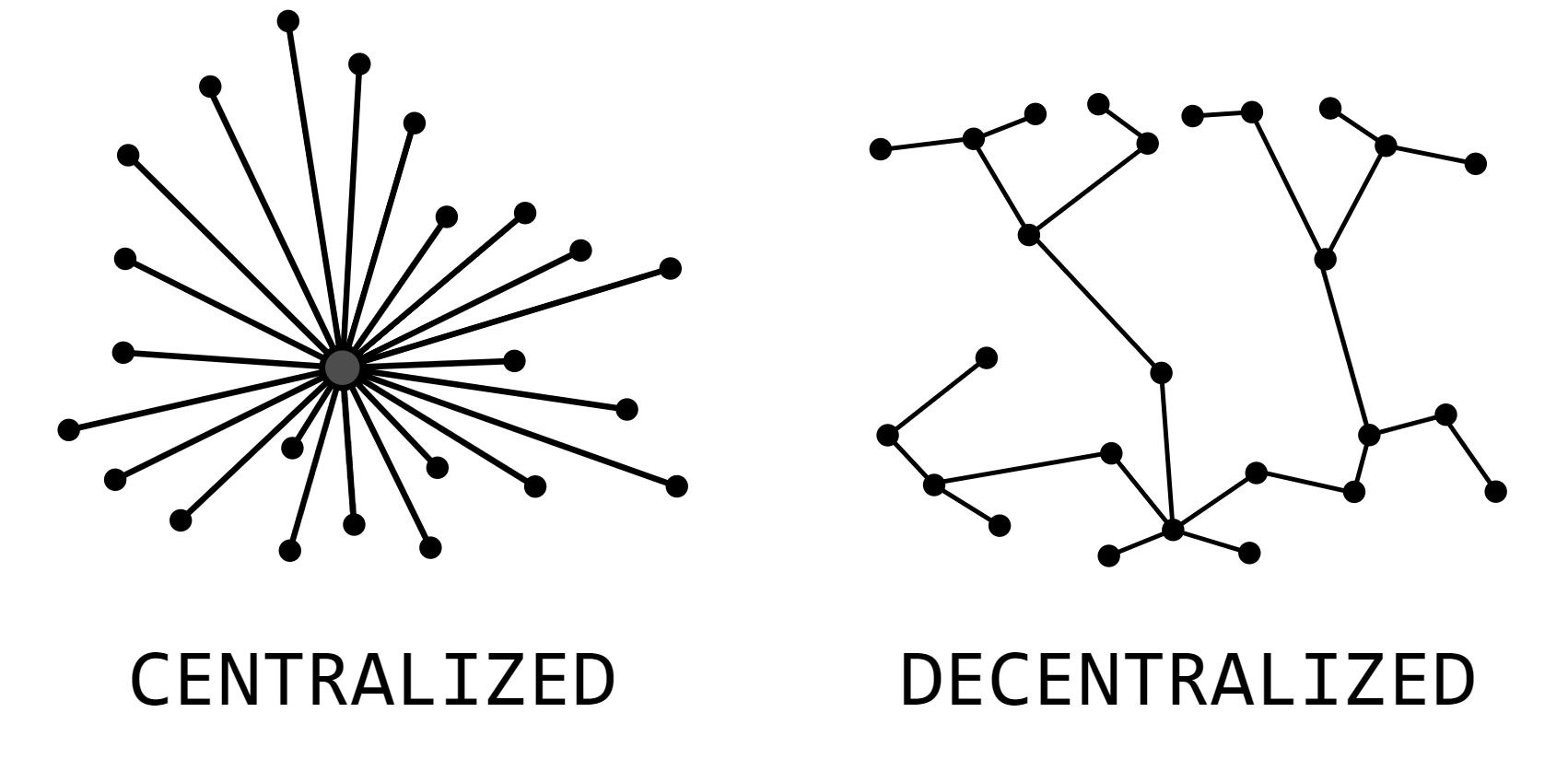
Cryptocurrency is a decentralized digital currency used as a medium-of-exchange without a central authority, like a federal or state government or banking system, to run it. This is one of the most important features to take note of as a potential user of crypto or crypto-based products. It's not a virtual currency, because a virtual currency is more like video game money, where it is controlled by the company of the game maker.
Why is cryptocurrency different than virtual currency? Because for one, it is held on a decentralized network of computers called blockchain and it's not run by a person or a business. This is also exactly what decentralized means. Blockchain is a digital database that records all transactions across its network publicly. The basis of blockchain is decentralization. Decentralization is a key feature, but it is also the main feature. This means in most cases, if you send your money to the wrong place, or to a scammer, you will not be able to ask for a refund or account protection from fraud like you could if you called your bank.
-
2 How does it work?

Cryptocurrency works by recording transactions on the blockchain and networking with computers all over the world on a decentralized network.
While all transactions are recorded publicly, your name and information is kept private, and it's never recorded onto the database. What is recorded, instead, is a unique code that belongs to your cryptocurrency account which is called a crypto wallet, the amount of cryptocurrency which was sent/received, and a timestamp of when it took place. This happens for every account in the entire crypto blockchain across the board.
-
3 Why do people use it?

There are actually hundreds of reasons why people use cryptocurrency. Some people have great intentions. A lot of people are using cryptocurrency to redefine technology, so they learn about crypto and how it works, and they use it to innovate new products. NFTs, for example, are built on the blockchain using cyptocurrency technology.
What is an NFT? NFT stands for "non-fungible token", and what makes them special is the 1-of-1 value they represent. It is like making a single token with it's own unique and original purpose out of any other NFTs.
Some people create collections of NFTs, so with each one having it's own use and original features, this makes all of them different even if the collection has the same theme. Think of NFTs as digital keys that each only open one lock.
-
4 How do I get started?
Getting started is seemingly easier and easier and we progress through technology. For one thing, all you need is your own crypto-wallet, one that you can keep safe and hidden where you'll access it as often as you want to get into your cryptocurrency funds. The fact is, that you have so many options to create a wallet, but you will most likey just need one for now. When you become more advanced in your knowledge, you might have 2 wallets, 3 wallets, or even 5 different cryptocurrency wallets.
The wallet I suggest you start out with is MetaMask. It's completely free to create, you do not need to submit any KYC forms which basically identifies who you are to the government, so you can use MetaMask to stay off grid. You can also setup up your cryptocurrency and blockchain assets with the government later in the future, so deciding to use MetaMask doesn't make you a rogue internet pirate, unless you want to be... we will explain this in a different article.
But for a simple breakdown on how KYC works, here's an example. You can purchase cryptocurrency like bitcoin with CashApp and with PayPal. Both likely already have your government information if you use it like most people do. When you buy digital currencies, KYC helps them comply with legal and regulatory requirements imposed by financial authorities. Keep in mind that the specific KYC requirements and procedures may vary depending on the platform and the jurisdiction in which you're located.
To buy crypto using PayPal or CashApp, just sign into your account, or create a new account at www.paypal.com for PayPal and at www.cash.app for CashApp. Note: CashApp requires you to download and install their mobile app. To buy crypto using MetaMask, download MetaMask to your computer or mobile device and create a new account.
-
5 What's a cryptocurrency wallet?
I'm glad you asked. A cryptocurrency wallet is like a digital piggy bank for your digital money and assets. Just like a regular wallet holds cash, cards, and IDs, a crypto wallet holds your cryptocurrencies like Bitcoin or Ethereum, as well as other digital assets like Non-Fungible Tokens (NFTs) or tokens from decentralized finance (DeFi) platforms.
Think of it as having two secret keys. One key, called the public key, is like your bank account number – you share it with others so they can send you money or assets. The other key, called the private key, is like your secret password – you keep it safe because it's what allows you to access and spend your money or assets.
There are different types of wallets, like software wallets you can install on your phone or computer, hardware wallets that are physical devices, and even paper wallets that you can print out. Each type has its own level of security and convenience.
With your crypto wallet, you can send money or assets to others by entering their public key, just like sending an email. And when someone wants to send you money or assets, they use your public key.
It's important to back up your wallet, especially your private key, so you don't lose access to your money or assets if something happens to your device.
So, in simple terms, a cryptocurrency wallet is like a digital safe for your digital money and assets, keeping them secure and allowing you to send and receive transactions.
Enjoy the post? Learn more about cryptocurrency, web3 or web 3.0, and other decentralization topics at www.postaffect.com/metaverse | www.postaffect.com/technology | www.postaffect.com/business where we will continue to breakdown all things technlogy, finance, and more!

0 Comments