







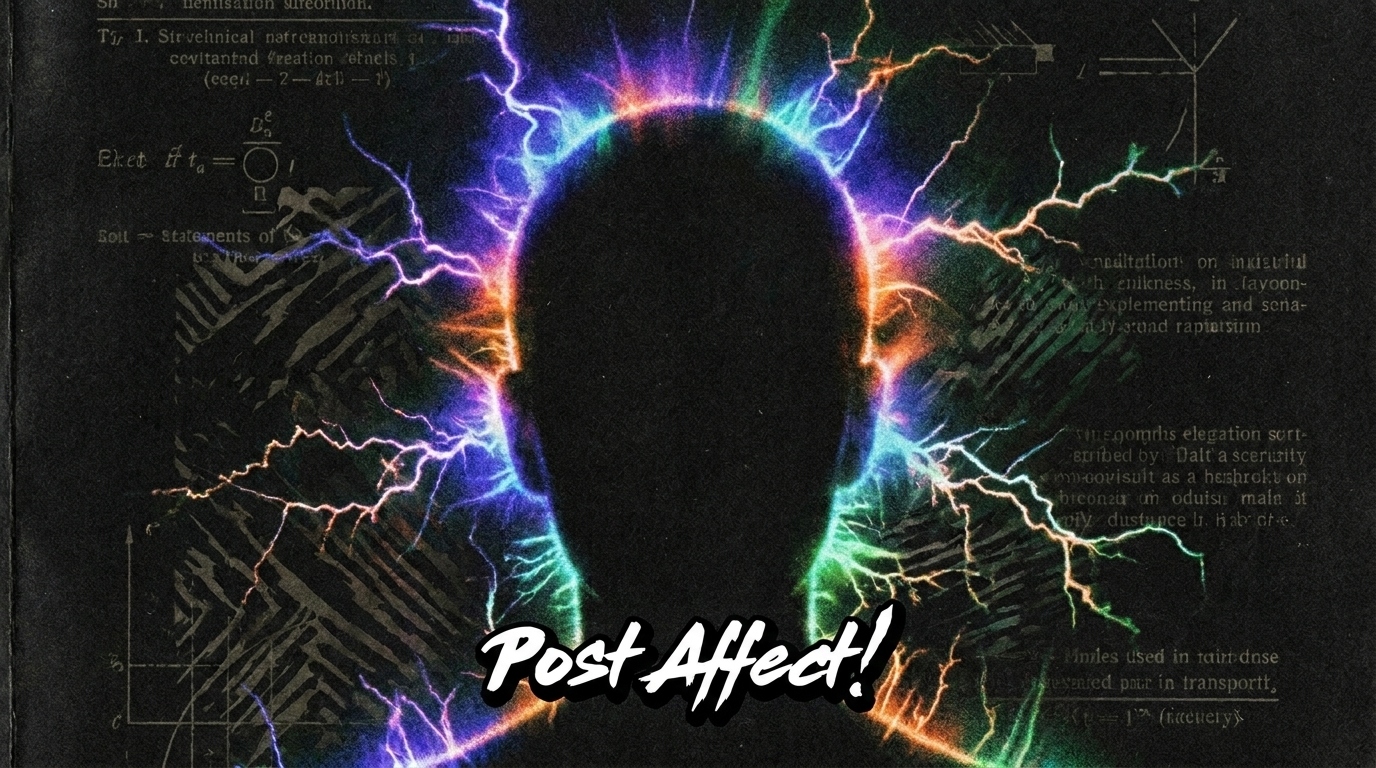



At first glance, a Kirlian photograph looks like something lifted straight out of a fantasy novel. Subjects—ranging from human fingertips to fresh green leaves—are enveloped in a glowing, ethereal corona of multicolored light. For decades, this striking visual phenomenon has captivated mystics, scientists, and artists alike, serving as the central battleground for a debate between spiritual energy and physical electricity.
Discovery, Development, and Introduction
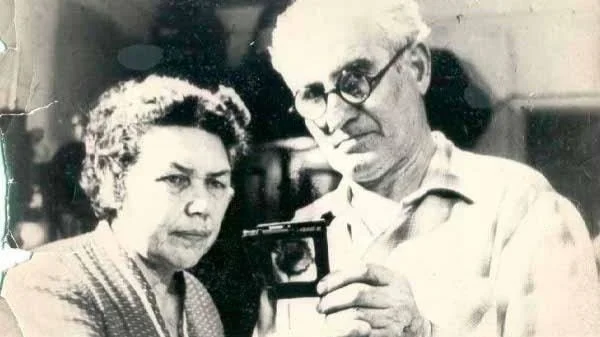
The technique was accidentally discovered in 1939 by Russian electrical engineer Semyon Kirlian and his wife, biologist Valentina Kirlian. While repairing a high-voltage laboratory instrument at a hospital in Krasnodar, Semyon noticed a small flash of light pass between a patient’s skin and an electrode.
Intrigued, the couple began experimenting in their small apartment, placing photographic paper directly on top of a high-voltage metal plate. When they touched the paper and ran a high-frequency electrical current through the plate, they discovered that the resulting image captured a detailed, glowing silhouette of their hands.
The Kirlians spent decades quietly perfecting the process in the Soviet Union, but it wasn’t introduced to the Western world until the early 1970s, following the publication of the book Psychic Discoveries Behind the Iron Curtain. The images instantly sparked a global phenomenon, perfectly aligning with the era’s growing New Age movement.
Myths, Theories, and the “Phantom Leaf”
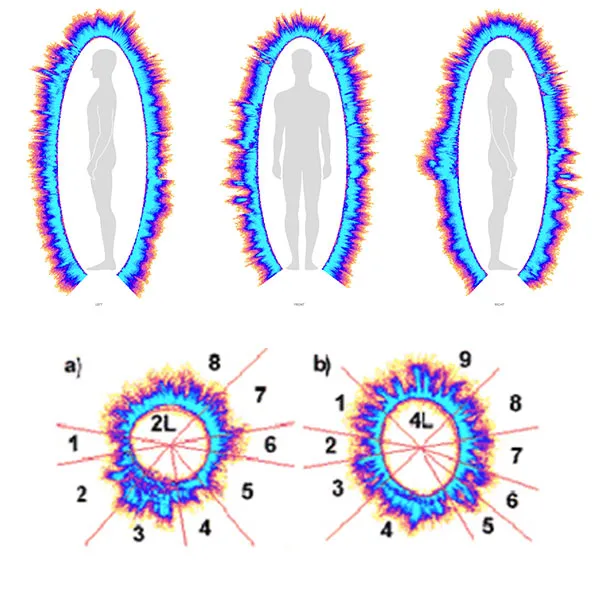
The introduction of Kirlian photography sparked a massive wave of pseudo-scientific theories and myths. Because the colorful, glowing coronas changed shape and intensity depending on the subject’s physical state, New Age practitioners claimed that Kirlian photography was definitive, scientific proof of the human aura. Paranormal researchers argued that the images captured the “life force,” “bioplasma,” or the emotional and spiritual health of a living being.
The most famous myth used to support this spiritual theory is the “Phantom Leaf” experiment. Early researchers claimed that if you cut off the top third of a fresh leaf and took a Kirlian photograph of the remaining piece, a faint, glowing silhouette of the missing section would still appear on the film—as if capturing the leaf’s “etheric ghost.”
The Scientific Reality
Mainstream science heavily investigated these claims in the late 1970s and completely debunked the spiritual theories. The phenomenon is actually caused by a well-documented physical process known as a corona discharge.
When a high-voltage electric field is applied near a grounded object (like a finger), it ionizes the surrounding air. This ionization causes the air molecules to glow, creating the electric halo captured on the film. Scientists proved that the changes in the “aura’s” size, color, and intensity are completely dictated by physical variables:
-
Moisture and Sweat: Changes in emotional state cause subtle changes in skin moisture, which directly alters how electricity conducts through the air.
-
Barometric Pressure: Atmospheric humidity and room temperature radically alter the corona discharge pattern.
-
The Phantom Leaf Explained: The illusion of the missing leaf segment was simply caused by moisture and volatile oils left behind on the glass plate from the uncut leaf before the incision was made. If the plate is thoroughly cleaned before the second photo, the “phantom” completely disappears.
Pop Culture’s Interpretation
Despite the scientific debunking, pop culture leaned heavily into the mystical allure of Kirlian photography. The eerie, glowing aesthetic became the universal visual shorthand for psychic powers, spiritual possession, and sci-fi technology.
-
Television and Film: The concept has been featured in paranormal-heavy franchises like The X-Files and Fringe to identify characters with supernatural abilities or anomalies. More recently, the glowing, high-contrast aesthetic of Kirlian imagery heavily influenced the visual styling of alternative dimensions like the Upside Down in Stranger Things.
-
Literature and Video Games: In science fiction and gaming lore, “Kirlian meters” or cameras are frequently utilized as high-tech tools to detect ghosts, demons, or shifting emotional auras in sci-fi horror settings.
How Kirlian Photography Is Used Today
While it is no longer recognized or utilized by the legitimate medical community as a tool for diagnosing physical illnesses, Kirlian photography still maintains a vibrant, active presence today.
1. Fine Art and Experimental Photography
Because the visual results are entirely organic and unpredictable, contemporary fine-art photographers use modern variations of the Kirlian setup to create stunning, ethereal imagery. By replacing traditional film with digital sensors or utilizing specialized transparent electrodes, artists capture glowing, high-voltage botanical and abstract art.
2. Aura Photography (The New Age Industry)
Walk into any metaphysical shop, music festival, or alternative wellness center today, and you will likely see a modern adaptation of Kirlian technology. Companies like AuraCam utilize specialized hand plates with biofeedback sensors that measure galvanic skin resistance. While not true Kirlian photography in the technical sense, these machines translate those electrical signals into colorful, digital “aura photos” for clients looking for spiritual insight.
3. Alternative Medicine & Research
Some fringe holistic practices still utilize computerized variations of Kirlian imagery—often referred to as Gas Discharge Visualization (GDV) or Electro-Photonic Imaging (EPI)—to map stress levels. While treated as a strictly alternative, complementary tool rather than standard medicine, practitioners use the shifting electric coronas to track how a patient’s body responds to stress over time.
@WolfAtMidnight / @Wolfat12am
A News Outlet for “What’s Going On” in Pop Culture, News, and Media. We don’t chase trends. We hunt them. Stay with us for what matters now, what’s next, and what’s making noise after dark.

0 Comments