








In the modern digital wellness space, few topics have exploded quite like Solfeggio frequencies. Search for relaxation music, sleep aids, or meditation tracks on YouTube or TikTok, and you will be met with millions of videos tuning audio to specific hertz (Hz) levels. Believed by many to be an ancient mathematical blueprint for physical and emotional healing, these specific sound waves bridge the gap between historical musicology and contemporary sound therapy.
When They Were Discovered: The Gregorian Origins

The roots of the Solfeggio scale date back to the 11th century, credited to a Benedictine monk and music theorist named Guido d’Arezzo. Looking for a way to help choir monks easily memorize religious Gregorian chants, d’Arezzo introduced a six-note ascending scale. He used the first stanza of the medieval hymn Ut queant laxis to name the notes: Ut, Re, Mi, Fa, Sol, La (the direct ancestor of modern “Do-Re-Mi-Fa-Sol-La-Ti” solfège singing).
For centuries, these specific musical intervals were used in sacred vocal music, famously heard in the Hymn to St. John the Baptist. However, over time, Western music shifted away from these original tuning methods, adopting the “Twelve-Tone Equal Temperament” system used today.
The modern “Solfeggio frequencies” revival didn’t happen until 1974, when herbalist and researcher Dr. Joseph Puleo claimed to have rediscovered six specific electromagnetic sound frequencies hidden within the Book of Numbers in the Bible. Using a Pythagorean mathematical reduction method, he mapped out a series of recurring numerical tones that advocates believe represent the original lost frequencies of the Gregorian chants.
The 9 Core Frequencies and Their Supposed Healing Properties
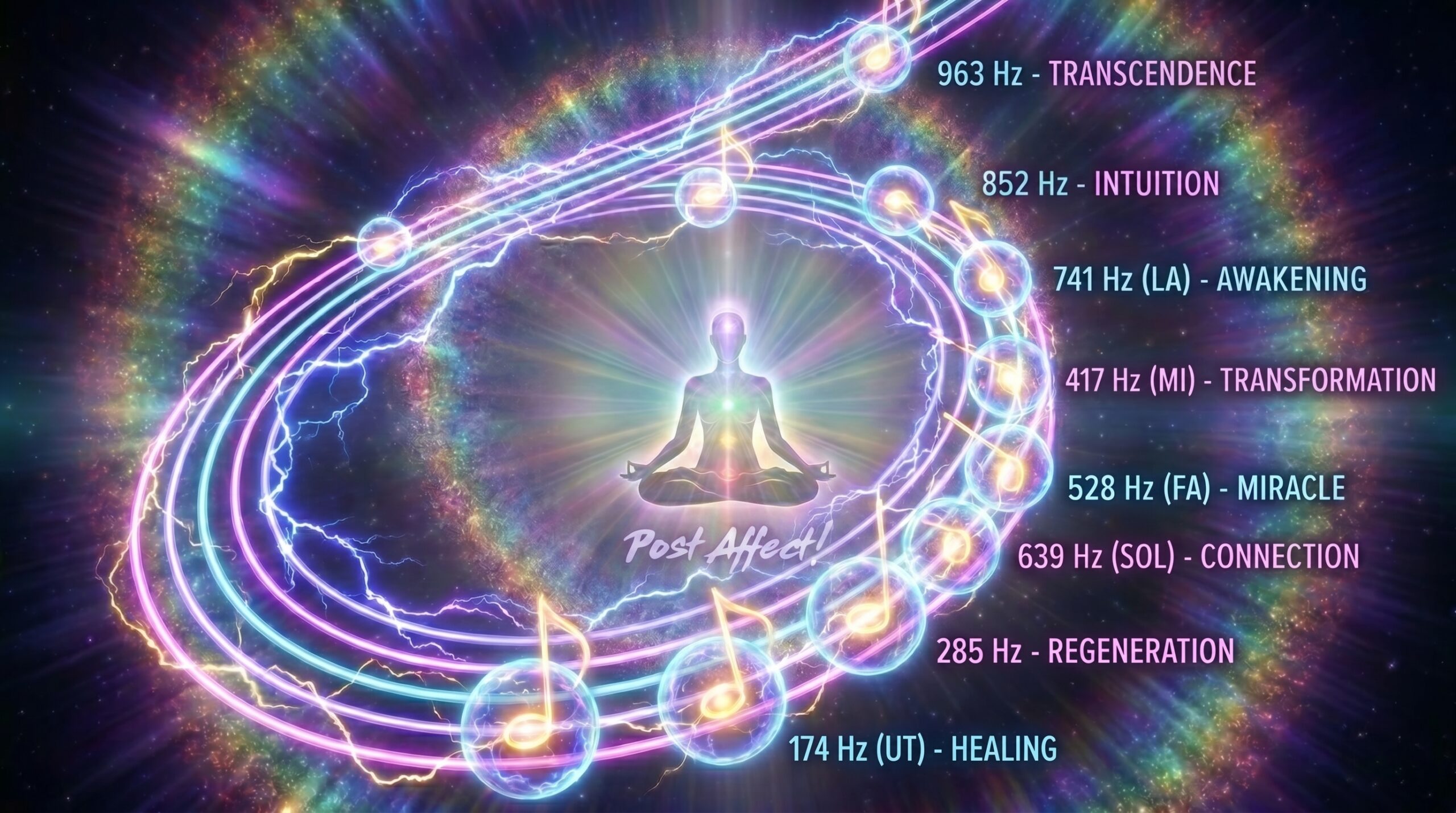
While d’Arezzo originally outlined six tones, the modern sound healing community has expanded the Solfeggio scale to nine core frequencies, each tied to specific psychological, spiritual, and physical healing properties:
-
174 Hz (The Foundation): Known as the natural anesthetic. It is said to relieve physical pain, tension, and stress in the body.
-
285 Hz (Quantum Cognition): Tied to tissue healing and cellular restructuring. Advocates use it to energize and heal damaged organs.
-
396 Hz (Liberation): Aimed at the root chakra, this tone is used to eliminate subconscious fear, guilt, guilt-trips, and emotional blockages.
-
417 Hz (Undoing Situations): The frequency of change and clearing negativity. It is used to cleanse traumatic experiences and reset negative habits.
-
528 Hz (The Love Frequency): The most famous of the scale, celebrated as the “Transformation” or “Miracle” tone. Sound theorists claim it stimulates cellular repair, repairs DNA, and increases mental clarity.
-
639 Hz (Connecting Relationships): Focused on interpersonal harmony. It is used to foster empathy, communication, and mend broken relationships.
-
741 Hz (Awakening Intuition): The cleansing frequency. Believed to act as a digital detox, clearing cells of electromagnetic radiation and toxins while boosting self-expression.
-
852 Hz (Spiritual Order): Tied to the third eye chakra, used to awaken inner strength, intuition, and a connection to a higher spiritual consciousness.
-
963 Hz (The Divine Frequency): Known as the “Pure Cosmic Sound” or the Pineal Gland activator. It is used in deep meditation to connect with universal oneness.
Music Properties: Tuning Beyond standard 440 Hz
To understand how Solfeggio frequencies function mathematically, you have to look at modern musical tuning. Standard contemporary music is tuned to A=440 Hz, a global agreement established in the 20th century to ensure all instruments sound uniform.
Solfeggio frequencies reject this standard, operating on an older mathematical matrix. When producers craft Solfeggio tracks, they retune the fundamental pitch of their instruments so that the specific target frequency (such as 528 Hz) serves as the harmonic center of the composition.
Musically, listening to pure Solfeggio tones can sound drone-like, hypnotic, and incredibly minimal. Because these frequencies rely on clean, mathematical ratios that do not always perfectly align with modern piano keys, they naturally create binaural beats and sustained atmospheric harmonics that encourage the human brain to enter a calm, deeply relaxed alpha or theta brainwave state.
Pop Culture’s Interpretation
What was once confined to obscure New Age textbook circles has become a powerhouse in modern pop culture and digital media.
-
The Streaming Explosion: Artists like Jhené Aiko, Willow Smith have brought significant attention to the frequencies, and explicit ambient electronic producers have integrated crystal singing bowls and Solfeggio tuning directly into their commercial tracks to give their R&B and pop music a grounded, therapeutic undertone.
-
Digital Manifestation Culture: On platforms like TikTok and YouTube, Solfeggio frequencies (especially 528 Hz and 852 Hz) have been heavily commodified by manifestation communities. Subliminal audio tracks layering Solfeggio tones underneath rain sounds promise to attract wealth, clear skin, or romantic partners while the listener sleeps.
-
Television and Gaming: Sci-fi and supernatural thriller shows often utilize low, sustained Solfeggio-style drones during tense, reality-bending scenes to evoke a physiological sense of awe or altered consciousness in the viewer.
How They Are Used Today
Solfeggio frequencies have transitioned from historical relics into functional everyday wellness tools across several global industries:
1. Sound Baths and Meditation Apps
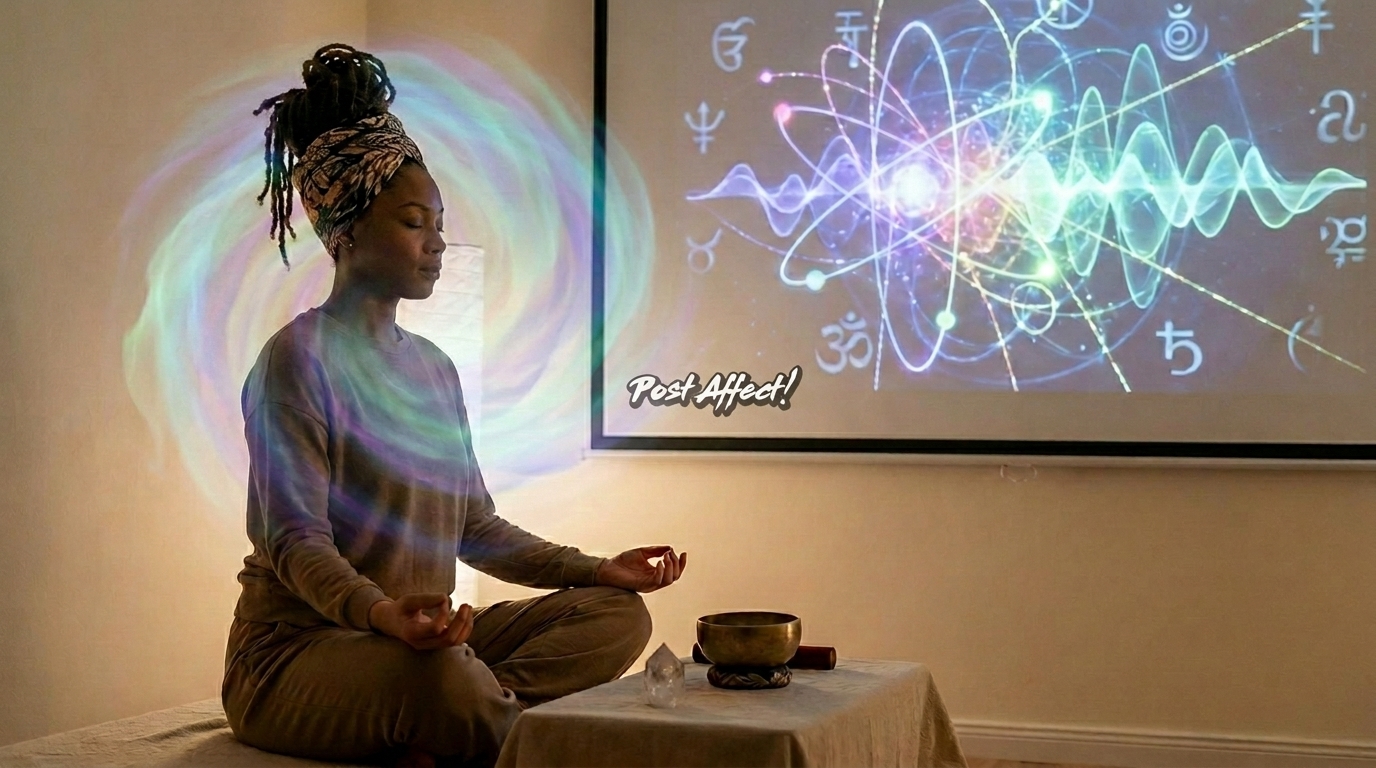
Sound therapy is an established branch of alternative medicine. Practitioners utilize aluminum tuning forks, quartz crystal singing bowls, and gongs calibrated specifically to Solfeggio metrics during immersive sound baths to help patients lower heart rates and alleviate anxiety.
2. Specialized Sleep and Productivity Tools
Major streaming apps like Spotify, Apple Music, and Headspace feature curated playlists dedicated entirely to specific hertz levels. Professionals and students widely utilize 528 Hz and 417 Hz background loops as functional soundscapes to mask environmental noise and improve long-term focus.
3. Holistic Vet Care
Interestingly, sound therapy has moved into pet wellness. Veterinarians and animal behavioral specialists frequently play lower Solfeggio tones (like 174 Hz and 396 Hz) in clinics and shelters to naturally soothe anxious, hyperactive dogs and cats during stressful thunderstorms or medical examinations.
Fun Facts About Solfeggio Tones
-
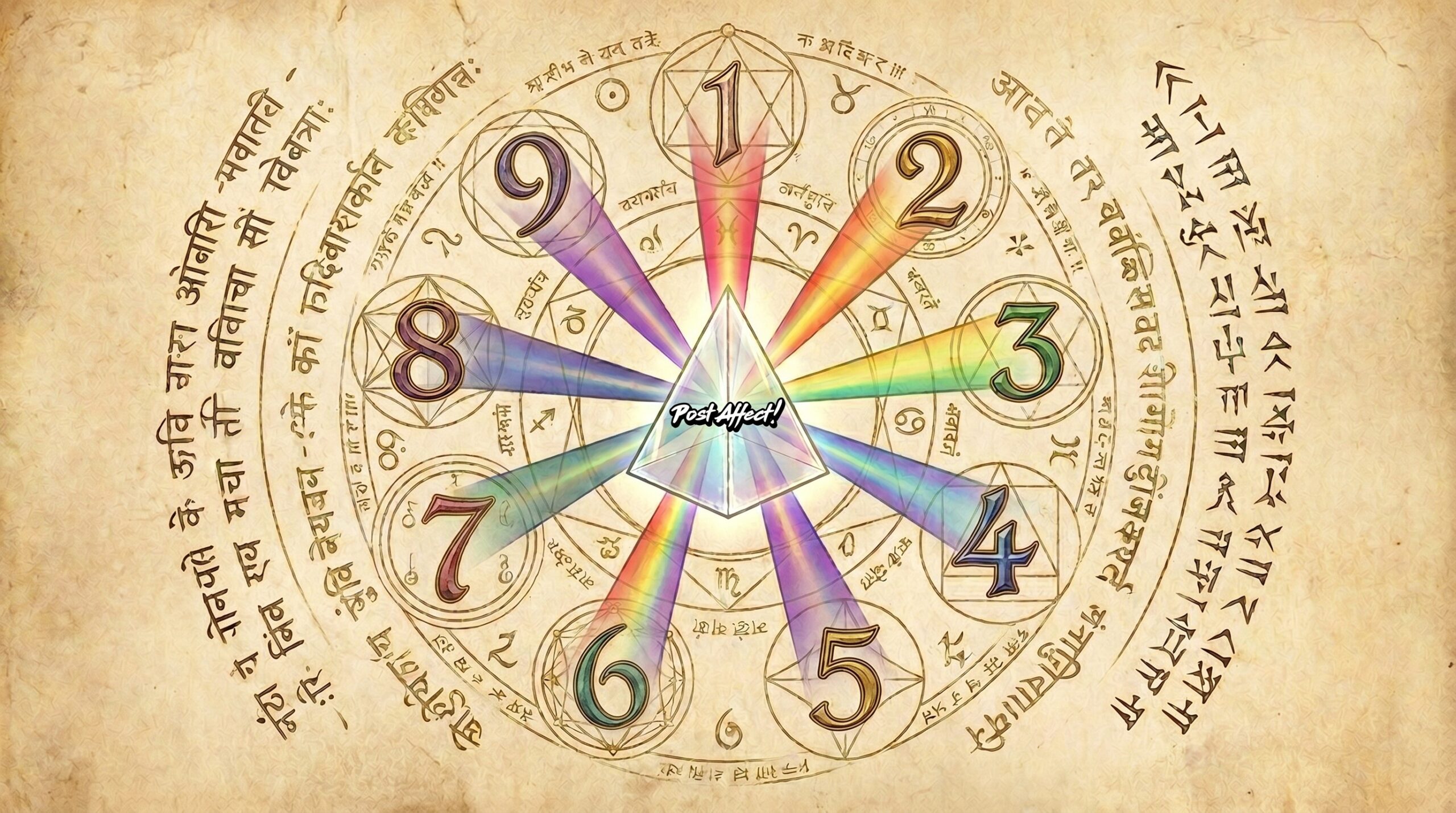
The 3-6-9 Connection: The modern Solfeggio frequencies are tied closely to the mathematical theories of Nikola Tesla. If you add up the individual digits of any core Solfeggio frequency (e.g., ), the final reduced number will always equal 3, 6, or 9—the exact numerical trio Tesla famously claimed held the master key to the universe.
-
John Lennon’s Secret Code: Rumor and musical lore suggest that John Lennon composed the legendary track “Imagine” utilizing an instrument specifically retuned to the 528 Hz Solfeggio frequency to emphasize the song’s grand message of peace and global unity.
-
The Da Vinci Link: Some researchers believe that Leonardo da Vinci’s understanding of sacred geometry was directly influenced by the specific mathematical spacing found within the Solfeggio scale, using the numerical ratios to map out the physical proportions in his iconic sketches.
@WolfAtMidnight / @Wolfat12am
A News Outlet for “What’s Going On” in Pop Culture, News, and Media. We don’t chase trends. We hunt them. Stay with us for what matters now, what’s next, and what’s making noise after dark.

0 Comments